Key Replacement Solutions: Fast, Reliable Solutions for All Your Lock Problems
Key replacement services serve a critical function in handling a wide range of lock-related concerns. They provide effective remedies when clients experience misplaced keys, security breaches, or broken locks. These professionals utilize advanced techniques to ensure both reliability and safety. However, the process and options available can vary greatly. Grasping these distinctions is crucial for reaching well-informed conclusions regarding key replacement. Which elements should individuals evaluate when choosing a provider?
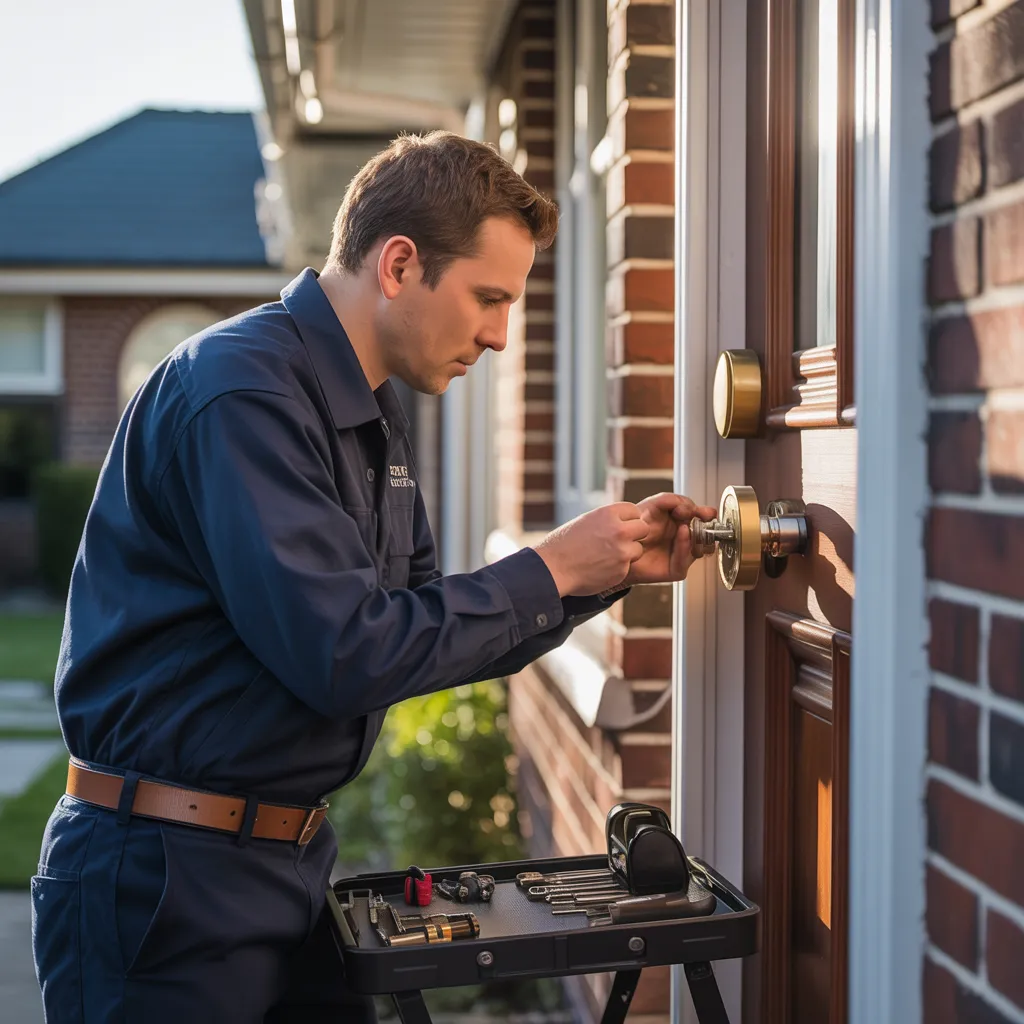
The Importance of Key Replacement Services and What You Need to Know
Key duplication and replacement services are fundamental in today's security landscape and everyday convenience. These professional services provide assurance that people can recover access to their homes and businesses in a safe and efficient manner after a key is lost or damaged. The importance of key replacement extends beyond mere accessibility; they simultaneously resolve critical security vulnerabilities. Lost keys create opportunities for unauthorized entry, making it critical to replace keys without delay to secure property and maintain personal protection.
Specialists in the locksmith industry employ advanced techniques and technology to craft replacement keys or upgrade complete locking mechanisms. Their expertise allows them to cater to a wide range of lock types, from household to car-related locking systems. Furthermore, on-site key replacement services improve accessibility by offering immediate help at your premises, cutting down on the time and hassle needed by customers.
In an increasingly fast-paced world, these services serve to provide peace of mind while also improving the overall efficiency of day-to-day life, highlighting their significance in contemporary society.
Common Scenarios That Require Key Replacement
Key replacement is often necessary in several scenarios, particularly when keys are lost or stolen. Moreover, cracked or damaged keys can make locks unusable, creating a need for new keys. Being aware of these typical situations can assist homeowners in anticipating sudden lock-related complications.
Lost or Misplaced Keys
Having keys lost or stolen can create significant challenges, leaving individuals locked out of their homes or vehicles. This situation is particularly distressing when urgent access is needed, especially in emergency situations or time-sensitive commitments. In cases where keys go missing in public spaces, the likelihood of security breaches rises, prompting immediate action for security reasons. Additionally, the emotional stress of losing personal belongings can exacerbate the urgency for a quick solution. Residential and vehicle owners frequently pursue key replacement solutions to recover access while maintaining the security of their assets. Utilizing professional locksmith services can expedite the process, providing peace of mind and restoring normalcy in a timely manner. Key replacement is essential in maintaining both security and convenience.
Broken or Damaged Keys
Damaged or broken keys can present considerable challenges, frequently preventing people from accessing their homes or vehicles. Typical situations involve keys that break off in locks, get bent, or display signs of severe wear. These problems can result from regular use or exposure to extreme conditions. Upon encountering a broken key, people may try to remove the fragments, potentially causing additional harm to the lock mechanism. In such circumstances, obtaining professional key replacement assistance is essential. Skilled technicians can analyze the problem, produce a new key, or fix the existing one promptly. Timely intervention not only restores access but also guarantees the security and functionality of the lock, preventing future complications related to broken or damaged keys.
Selecting the Right Key Replacement Service for Your Needs
When looking into a locksmith service, how can one be certain they are selecting the best option? Initially, it is crucial to research local providers. User reviews and scores can offer insights into the trustworthiness and expertise of a service. Additionally, verifying credentials such as licenses and insurance can guarantee that the company is legitimate and trustworthy.
To continue, evaluating costs across various providers can be useful in determining competitive rates without reducing service standards. A reliable contractor will maintain honesty in their cost structure and supply comprehensive estimates. In addition, reviewing the scope of services provided is critical; some companies may specialize in specific types of keys or locks.
Finally considering the presence of emergency services can be beneficial, especially in critical moments. By analyzing these considerations, people can make informed decisions and select a key duplication service that fulfills their particular needs successfully.
Understanding the Key Replacement Process
A straightforward key replacement workflow generally includes multiple essential steps that guarantee a smooth and satisfying experience. Initially, the service provider assesses the situation, determining the specific key needed, whether it involves a conventional key or an advanced transponder key. Following this, the technician may ask for identification and proof of ownership to confirm security and legitimacy.
Once the verification is complete, the professional moves forward to create a duplicate or replace the key entirely, employing advanced tools that ensures reliability. This part of the process frequently involves the programming of electronic keys, when necessary. After the replacement is completed, the expert performs a performance test to validate that the new key functions properly with the lock.
Lastly, the client is offered advice about proper care and maintenance of the new key. This detailed process ensures that the key replacement process is not only efficient but also meets the expectations of the customer, leaving them pleased and at ease.
Preventing Key Loss: Strategies to Keep You From Getting Locked Out
Avoiding losing your keys is vital for maintaining access and security. Adopting straightforward approaches can considerably minimize the risk of experiencing a lockout. A highly recommended approach is designating a specific location for keys, such as a key hook or dish by the door, making sure they are placed back after every use. Additionally, using key finders or smart keychains equipped with Bluetooth technology can assist in rapidly tracking down misplaced keys.
Being mindful when managing keys is just as crucial; people should deliberately put keys in their assigned location instead of placing them down carelessly. Keeping a spare key with a trusted friend or family member can provide added security against unforeseen lockouts. Periodically reviewing individual habits and routines concerning key organization can also pinpoint areas that need attention. By embracing these forward-thinking approaches, individuals can lower the chances of misplacing keys and boost their overall confidence and well-being.
How to Secure Your Home After Key Replacement
Losing keys can leave homeowners feeling vulnerable, as the integrity of their security is compromised until proper steps are implemented. To improve security after a key replacement, homeowners should first consider replacing the locks completely, especially if the lost key may be in the hands of an unidentified individual. Fitting deadbolts can deliver an extra layer of safety.
Next, homeowners can examine their existing security systems. Implementing smart locks or installing security cameras can strengthen overall safety. It is also advisable to update any electronic entry systems associated with the changed keys.
Finally, instructing all family members about security measures is essential. Advising them to be mindful about key sharing and keeping doors secured at all times can help mitigate risks. By taking these steps, residents can achieve peace of mind and protect their living space effectively.
DIY vs. Expert Key Replacement Expenses
When thinking about in-depth guide replacing keys, individuals often assess the DIY solution costs versus professional services. DIY options often look more budget-friendly upfront, but unexpected costs can emerge due to necessary tools or potential errors. In contrast, professional services typically offer a straightforward cost breakdown, demonstrating expertise and reliability.
DIY Cost Analysis
Examining the pricing associated with key replacement highlights notable differences between DIY approaches and professional services. DIY key replacement typically involves acquiring blank keys and cutting tools, which can cost between $10 to $50, according to the type of key. However, customers must also factor in potential mistakes, which may require additional purchases. In contrast, while professional services typically carry higher upfront costs—ranging from $50 to $150—they deliver expertise and guarantee the functionality of the replacement key. Moreover, professionals can effectively address complex lock systems that DIYers may have difficulty handling. Ultimately, while DIY may appear cost-effective initially, the risk of errors and the potential need for rework can result in higher overall expenses.
Professional Services Cost Guide
Traversing the terrain of key replacement costs reveals stark contrasts between professional services and DIY approaches. Professional key replacement typically falls from $50 to $300, subject to the intricacy of the key and the kind of lock involved. This cost often encompasses not only the key cutting but also extra services like lock reconfiguration or replacement. In comparison, DIY key replacement might seem more economical, with basic key blanks costing as little as $2 to $10. However, this approach can lead to unforeseen charges, such as acquiring equipment or the risk of harming the lock. In the end, while DIY provides lower upfront costs, the reliability and knowledge of professionals can support their higher fees in essential situations.
Questions We Are Often Asked
How Long Does It Typically Take to Replace a Key?
Typically, replacing a key takes about 10 to 30 minutes, depending on the complexity of the key and the kind of lock. Variables such as material availability might also impact the duration.
Is It Possible to Replace a Key Without Having the Original?
Certainly, a key can be created without the original. Skilled locksmiths often use the lock itself to craft a new key or may utilize code information, subject to the lock type and security protocols in place.
Are Key Replacement Services Offered 24 Hours a Day?
Yes, many key replacement services are available 24/7, handling emergency needs and providing support around the clock. This ensures people can restore access to their premises in a timely manner, at any time of day or night.
What Kinds of Keys Can Be Replaced?
A wide range of keys can be substituted, ranging from house keys and car keys to electronic fobs, padlock keys, and safe keys. Each type requires specific tools and expertise to confirm full functionality and protection after the replacement process.
Are Warranties Offered by Key Replacement Services?
Several providers of key replacement services extend warranty coverage, making certain consumers get superior products. Such guarantees typically cover manufacturing defects and performance concerns, giving confidence that the keys provided will perform as expected and meet consumer standards.